ΤΟ ΙΣΤΟΛΟΓΙΟ ΜΑΣ ΞΕΠΕΡΑΣΕ ΜΕΧΡΙ ΣΗΜΕΡΑ ΤΙΣ 3.720.000 ΕΠΙΣΚΕΨΕΙΣ.

Wednesday, November 7, 2018

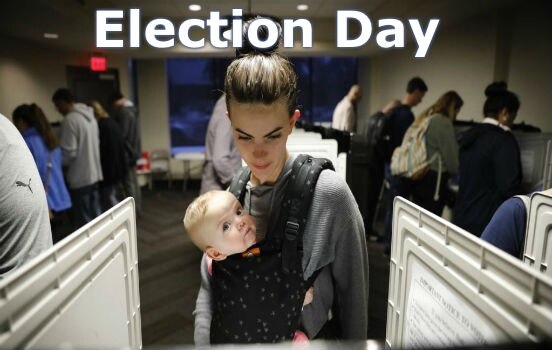
A sharply divided U.S. electorate is voting Tuesday to elect a new Congress and, some say, to render a midterm verdict on President Donald Trump. The results could shift the balance of power in Washington and alter the next two years of Trump’s presidency .
ON THIS DAY IN AMERICAN HISTORY
On November 6, 1860, Abraham Lincoln is elected the 16th president of the United States. Lincoln was the first Republican to occupy the nation’s highest office. Despite his legacy, Lincoln only received 40 percent of the popular vote, but was able to beat three other candidates. Notably, the Democratic Party was severely split between northern and southern Democrats over the issue of slavery. Ultimately, it took the Civil War, which began in 1861, to end slavery.
A vocal minority has created the false impression that the United States is more divided than ever, according to the largest study ever conducted of U.S. polarization. What it found was that well-to-do whites on both the left and right political fringes are driving the sense of division, which is continually amplified on social media .
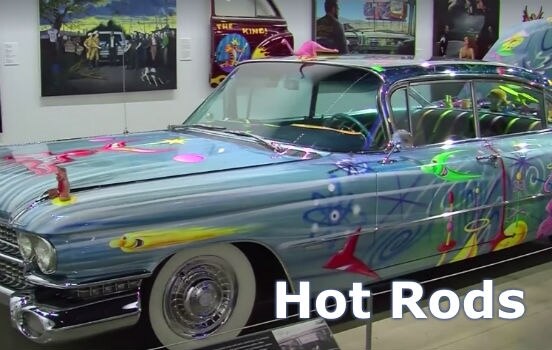
VIDEO: A new exhibition in Los Angeles is celebrating the U.S. history of custom cars and art culture. “Auto-Didactic: The Juxtapoz School” features art, fashion and vehicles that represent the custom culture of the “hot rod” era that began in Southern California in the 1960s.
VIDEO: January will mark the 60th anniversary of the founding of Motown Records, which became world famous for its distinct sound and star performers such as Michael Jackson, Diana Ross, Marvin Gaye and numerous others. The Detroit-based company was topping the record charts during the 1960s, and its success continued after a move from Detroit to Los Angeles a little over a decade later. Can paying tribute to this iconic record label help revitalize a city facing hard times ?
Their pain has long gone. No odor from the gas warfare they endured remains. There are no echoes of the thump of artillery, no reverberation of the clash of arms, no sound of fusillades or the rat-a-tat of the machine guns. The trenches have long been filled; the entanglements of harsh wire gone, too. All is quiet on the Western Front, but how will the world commemorate the horrible events 100 years later?

No comments:

Post a Comment