Good morning, and welcome to the Essential California newsletter. It’s Thursday, Aug. 17. I’m Jack Flemming, a reporter focusing on luxury real estate.
As disaster after disaster strikes Southern California (and the rest of the country), a nagging question bounces around my head: why do people choose to live in dangerous areas?
In some parts of the country, the simple answer is that areas prone to flooding, fires or landslides are cheaper. But here, the priciest homes often face the most danger.
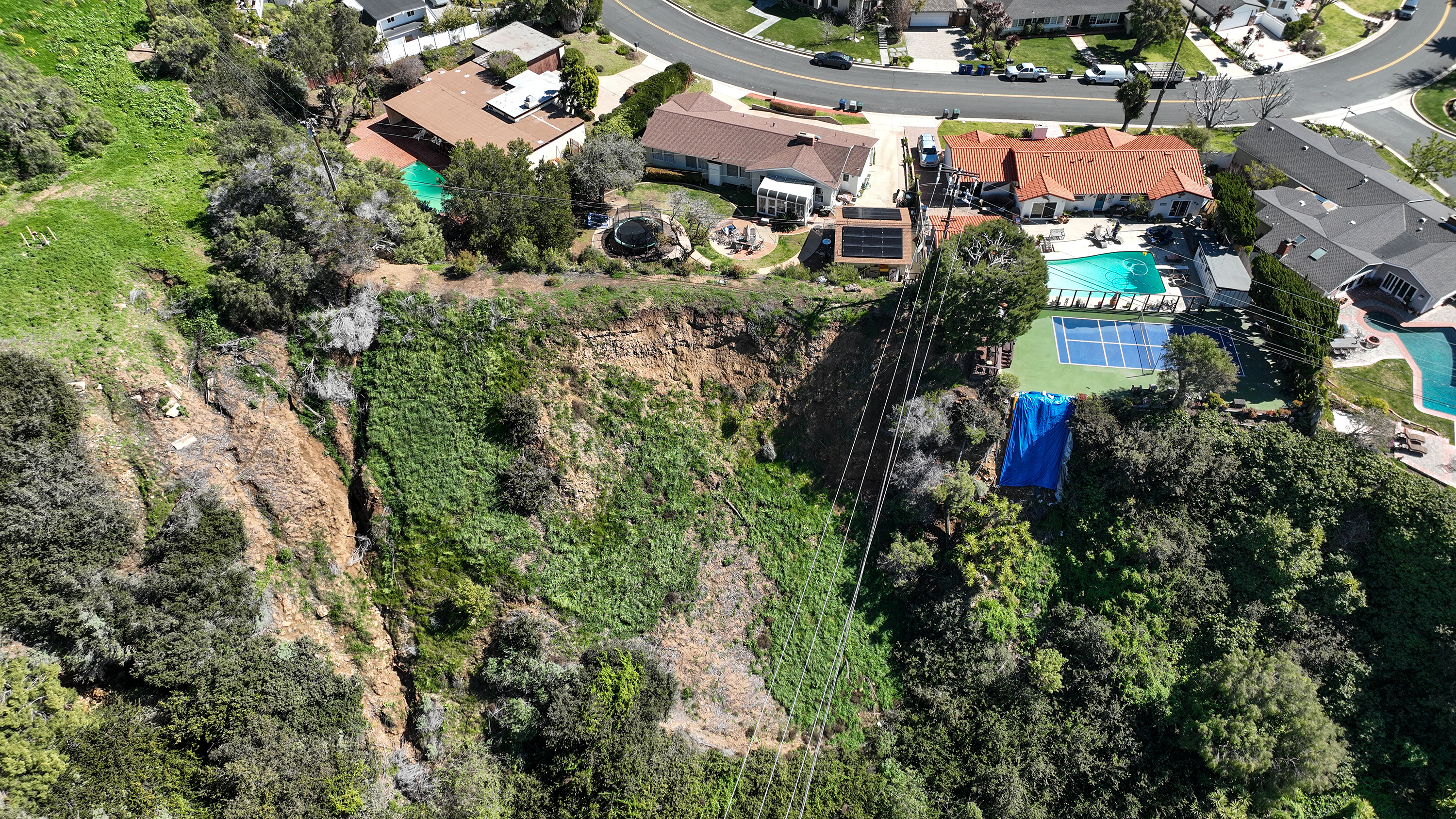
Californians pay fortunes for houses in the hills only to see them engulfed in flames during wildfire season. People crowd onto Palos Verdes Peninsula even though landslides literally push houses toward the ocean. And time after time, when their homes are destroyed or incinerated, residents choose to stay and rebuild rather than move somewhere safer.
Maybe it’s because I can’t afford to live in such places, but the logic just didn’t make sense. So I spent some time in the hills of Malibu and on the coast of Laguna Beach, where houses hide in tinderboxes of trees or cram in next to the slowly rising sea, to find out why people buy there — and stay there.
I met a farmer who moved onto a landslide-prone complex and spends his days tending to the eroding soil. I spoke to a couple in Malibu whose house burned down the day after their honeymoon; they recently finished rebuilding the home.
Local leaders weighed in as well, walking me through the lengths they go to to keep their cities safe — especially cities where disaster has struck before and will surely strike again.
I also chatted with experts who study post-disaster decision-making. One told me that in some cases, disasters can even make someone more likely to stay in a community. Go figure.
Everyone had a different answer for why they live on the edge of disaster. Natural beauty, ocean breezes, sure, but also the sense of community that develops when neighbors have to look out for each other. One person answered that danger will be present anywhere you live; you might not have a wildfire in Downtown L.A., but there are plenty of other problems.
There’s no simple answer, but my main takeaway was that these communities aren’t going anywhere.
Legislators might make it harder to build in the hills, and insurers may stop selling plans to those who choose to live in disaster-prone areas. But Californians have realized that while California isn’t always an easy place to live, it’s usually worth the extra effort to them.
You can read my story here.
And now, here’s what’s happening across California from Helen Li & Ryan Fonseca:
Note: Some of the sites we link to may limit the number of stories you can access without subscribing.
L.A. STORIES
The Red Tide, a counterculture newspaper founded in the 1970s at a high school in West LA, has shaped a generation of activists. Taking on causes from the Vietnam War to Indian-themed school mascots, this newspaper forty seven years later reunites a group of writers with a person they tried to save. Los Angeles Times
What’s the difference between different Hollywood picket lines?As the simultaneous strikes stretch on, the picket lines have grown into fixtures of the Los Angeles streetscape, each its own mini community. The people within it color the atmosphere with their own personalities and quirks. Jonah Valdez gives us a glimpse into the strike life at Netflix, Paramount, and Disney studios. Los Angeles Times
Banging drums. Wedding scuffle. What it’s like inside a hotel during L.A.’s summer of strikes. This summer, the guest experience looks a little different at hotels across Southern California. Even those who see themselves as ardently pro-union haven’t always known quite how to respond. Los Angeles Times
JUSTICE AND POLICING
Anaheim’s former mayor will plead guilty to corruption charges in connection to a plan to sell Angel Stadium. Harry Sidhu allegedly hoped to get a $1-million campaign contribution from the ballclub for helping its owner purchase the facility and later lied to FBI agents about the scheme. Los Angeles Times
Fontana police officers shot and killed an off-duty L.A. County sheriff’s deputy after he allegedly pointed a gun at them. Officials say police had initially responded to a call of shots being fired and a possible domestic violence incident and approached the deputy on a golf course near his home, where the fatal shooting took place. Los Angeles Times
An ex-deputy for Merced County was arrested after repeatedly kicking a DUI suspect in the head multiple times. The March incident was captured on body-camera and led the deputy, Dustin Witt, to resign. He now faces charges including assault by a public officer. Los Angeles Times



No comments:
Post a Comment