 |
| ||
 The California State Capitol Building in Sacramento. (Francine Orr / Los Angeles Times) The California State Capitol Building in Sacramento. (Francine Orr / Los Angeles Times) |
By Ryan Fonseca Good morning. It’s Thursday, Sept. 14. Here’s what you need to know to start your day.
Will these California bills become law? That’s up to Gov. NewsomIt’s crunch time in Sacramento as state Senate and Assembly members reach this year’s legislative deadline tonight. At that point, anything not passed is dead and bills approved by lawmakers head to Gov. Gavin Newsom to be signed into law or vetoed. There’s a whole lot of legislation already bound for the governor’s desk that could significantly affect Californians’ lives. Here’s a look at a few. California workers could be guaranteed more sick days Right now, the state requires employers to provide a minimum of three paid sick days. But under the just-passed Senate Bill 616, that would increase to five. “While similar attempts to expand paid sick leave have stalled in the past, politically powerful unions are banking on workplace lessons learned from the COVID-19 pandemic to be enough to get Gov. Gavin Newsom to sign the bill this time around,” Times reporter Mackenzie Mays wrote. Major business groups had pushed back on the bill, arguing that employers might be unable to cover the cost of the paid leave expansion and cut jobs. But supporters say increasing paid sick leave will better allow workers to avoid spreading illnesses by staying home when they’re sick or need to care for sick family members. A law that makes building housing easier could be extended In an effort to address the state’s ongoing housing crisis, California lawmakers approved SB 423, which adds an additional 10 years to a state housing law that allows developers to cut through some local bureaucracy and get housing projects built more quickly. It was supposed to expire in 2026. Assemblymember Buffy Wicks (D-Oakland) called it “the most important housing bill that we are going to put on the governor’s desk.” As Times politics reporter Hannah Wiley wrote this week:
The bill was amended to address concerns from labor unions about protecting construction workers, as well as worries about building in areas affected by sea level rise and wildfires. Speed cameras may be coming to some cities’ streets After a few years of trying, a bill that would allow certain California cities to put automated speed cameras on their streets is before Gov. Newsom. Assembly Bill 645 would allow six cities — Los Angeles, Glendale, Long Beach, Oakland, San Jose and San Francisco — to operate speed cameras in school zones and on corridors with a history of dangerous driving and serious crashes. Safety advocates say the technology is an important tool to hold drivers accountable for dangerous behavior and save lives as traffic violence surges. Speed cameras have been used in other states and cities as an effective tool to reduce traffic deaths. The bill faced opposition from civil liberties groups over data collection concerns and worries that it could unfairly burden lower-income drivers. Amendments included limits on how long data from the cameras could be stored before being deleted permanently. Participating cities would also have to reduce fines based on income. Damian Kevitt, executive director of the nonprofit Streets Are for Everyone, said he and fellow advocates are “cautiously excited” that Gov. Newsom will sign the bill quickly so that cities can start preparing to launch their programs. “People are dying on a daily basis,” he told me. “[Speed cameras] are effective … the real question is how do we make sure we balance our rights and liberties versus our right to life.” More approved bills await their fate The Times’ newsroom is keeping track of the important bills Newsom will either sign or reject. Below are several of particular interest to Californians and you can read up on the others here.
Newsom has 30 days to either sign or veto these bills and any others that the Legislature approves by the end of today. Today’s top storiesCops and law enforcement
Hollywood strikes
Courts
More big stories
Get unlimited access to the Los Angeles Times. Subscribe here. Commentary and opinions
Today’s great reads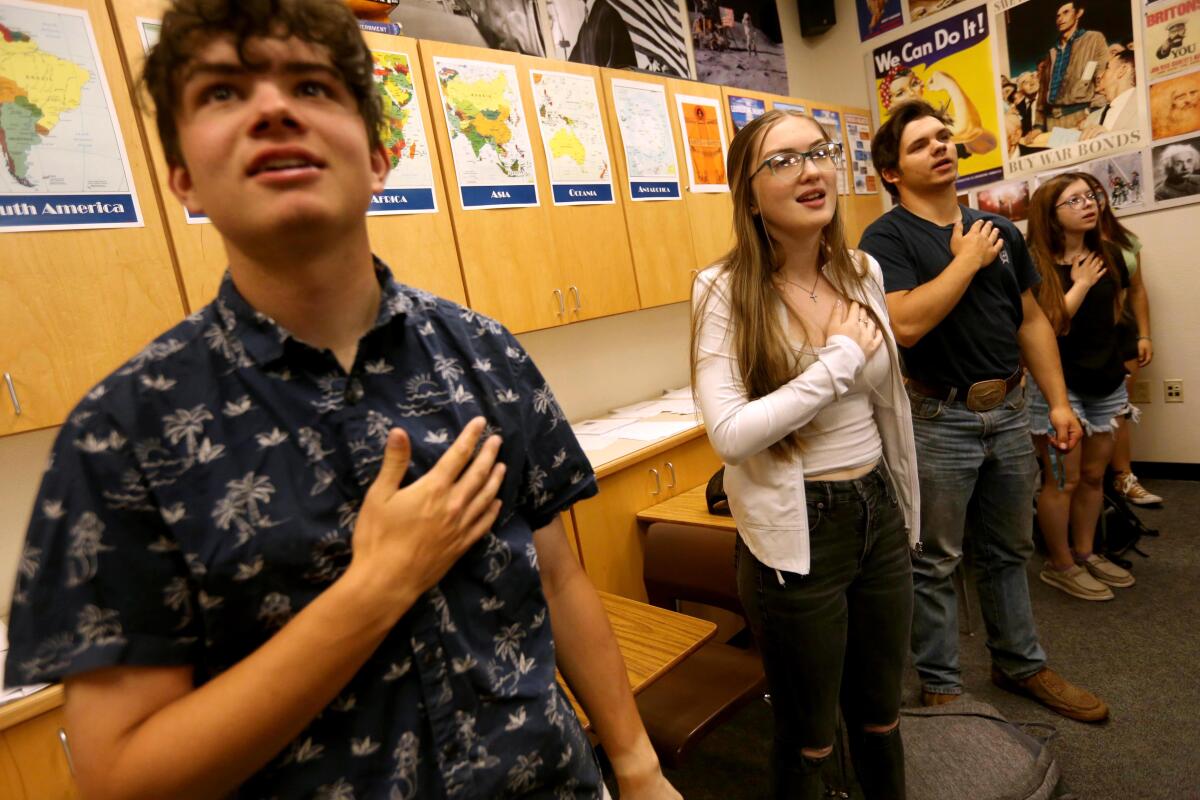 (Genaro Molina/Los Angeles Times) There’s a hidden crisis among California’s rural kids. Would this teen make it? Linda Plumlee bounced around rural Alturas, Calif., sleeping on couches and spare beds and, for a stretch, the back seat of her car — all while organizing blood drives and getting good grades and helping classmates with their homework. For the 18 year old, academics were a ticket out of Alturas, a cattle-ranching town of 2,700. Other great reads
How can we make this newsletter more useful? Send comments to essentialcalifornia@latimes.com. For your downtime (Jason Armond/Los Angeles Times) Going out
Staying in
And finally ... from our archivesOn Thursdays, we’ll show you something from our archives. 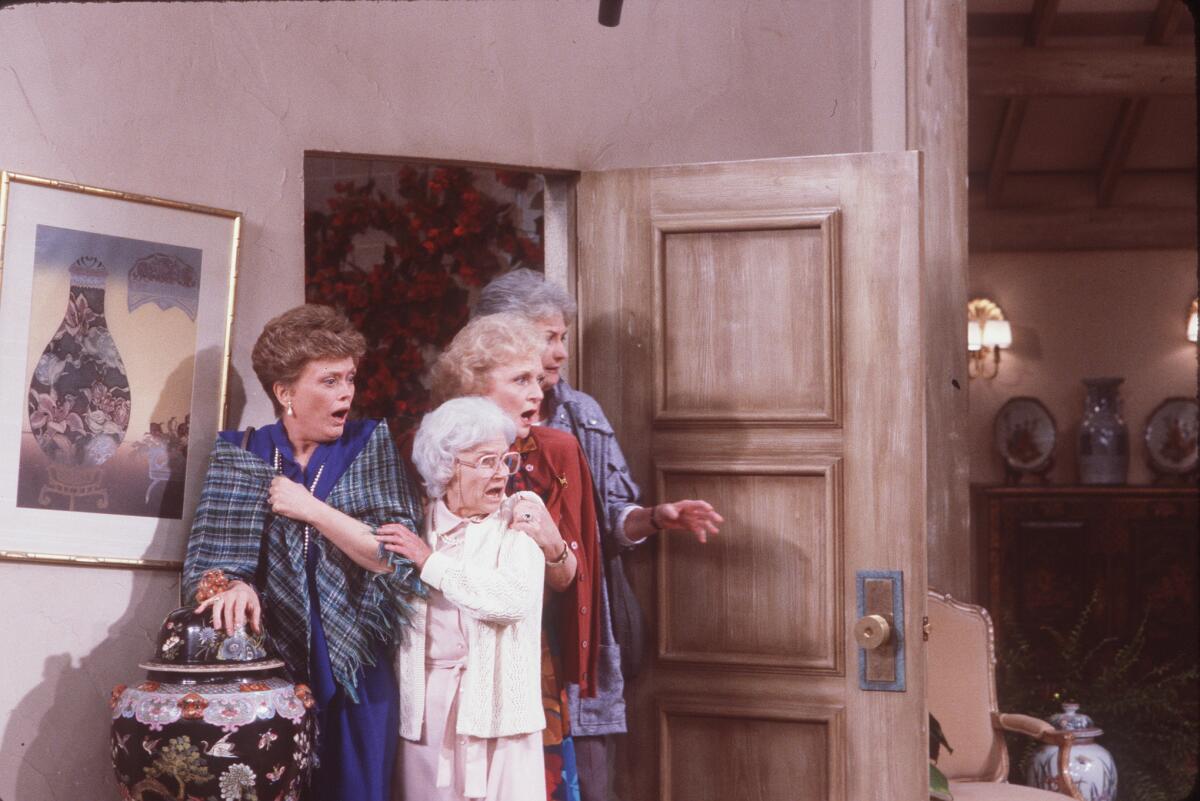 (Los Angeles Times) On Sept. 14, 1985, “The Golden Girls” debuted on NBC. As The Times wrote in a review during the show’s premiere week, “Not only did the show offer meaningful portrayals of women in their post-middle-age years, but, as a bonus, it’s one of those TV rarities, a comedy that’s funny. Very funny.” Have a great day, from the Essential California team Ryan Fonseca, reporter | ||||||||||

No comments:
Post a Comment